
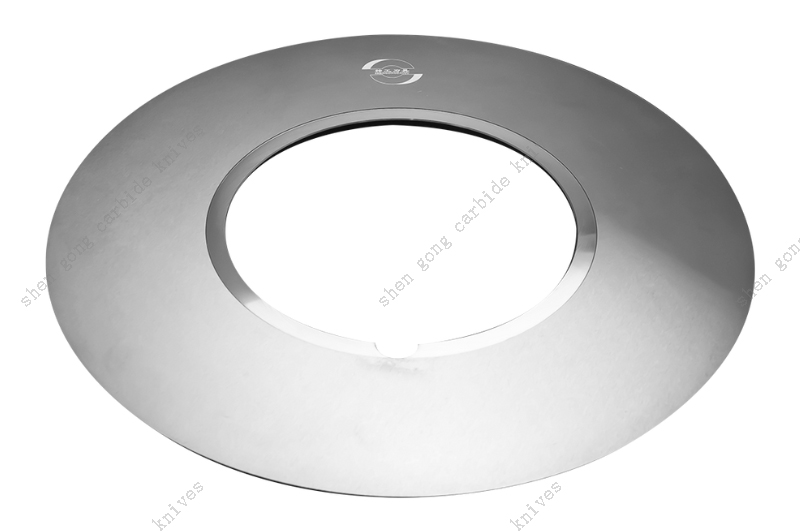
In the fast-evolving landscape of industrial manufacturing, the demand for precision, durability, and efficiency in tooling has never been greater. Industrial knives and blades play a critical role across various sectors, including packaging, woodworking, metal processing, and food production. Among these tools, beveled knives have emerged as a superior choice for many applications, thanks to their enhanced cutting performance and resilience. Backed by advanced materials and cutting-edge production technology, manufacturers are now delivering beveled knives that meet the stringent demands of modern industry.
### Cutting-Edge Materials Enhance Performance
The quality of industrial knives fundamentally depends on the materials used in their manufacture. Research and innovation in materials science have paved the way for the development of tungsten carbide (WC) and titanium carbonitride (TiCN) based composites, which offer superior hardness, wear resistance, and toughness compared to traditional steel blades.
One notable industrial player specializes in producing cemented carbide and cermet materials designed specifically for knives and blades. This company boasts a comprehensive production line that covers the entire manufacturing process—from the preparation of raw powders via rapid thermal processing (RTP) to the finishing of high-quality industrial cutting tools. The use of WC-based cemented carbide and TiCN-based cermets represents a leap in blade technology, offering tools that can maintain sharpness longer and withstand harsh working conditions without failure.
### Why Beveled Knives?
Beveled knives are characterized by a sloped edge, usually ground at an angle to create a sharp and effective cutting edge. This design improves the blade’s interaction with materials to be cut by reducing friction and increasing penetration ability. The bevel angle can be customized based on the intended use, allowing for versatile application across different cutting tasks.
Compared to straight-edged knives, beveled knives provide several advantages:
- **Precision Cutting:** The sharper and more acute edge created by the bevel allows for cleaner cuts, which is particularly important in industries such as food processing and fine woodworking.
- **Durability:** The bevel design distributes cutting forces more evenly along the edge, enhancing the blade’s durability and reducing chipping or edge wear.
- **Versatility:** Beveled knives can be optimized for a wide range of materials, from soft plastics to metals, making them indispensable in multi-purpose industrial settings.
### Advanced Manufacturing Process Ensures Quality
The journey from raw materials to a finished beveled knife involves sophisticated production steps that are crucial to achieving high quality and consistent performance. First, the raw powders of tungsten carbide and titanium carbonitride are prepared using rapid thermal processing. This technique ensures uniform particle size and composition, which are essential for the mechanical properties of the final composite.
Next, the powders undergo sintering, a process that fuses the material under high temperature and pressure to create an extremely hard and dense body that can withstand demanding industrial use. The sintered blanks are then precision ground and shaped to create the beveled edge, followed by finishing treatments such as polishing or coating to enhance corrosion resistance and reduce friction further.
Thanks to facilities that integrate all of these steps—from powder preparation to finished product—manufacturers are able to tightly control quality and customize knives according to customer specifications. Such complete production lines allow for innovation and rapid development cycles, ensuring that the latest material advancements and design improvements reach the market swiftly.
### Applications Across Industries
Beveled knives have found widespread application across diverse industries due to their reliability and cutting excellence. Some typical uses include:
- **Packaging Industry:** Used in the cutting of films, foils, and cardboard. The precision of beveled knives reduces waste and improves production throughput.
- **Woodworking:** Ideal for shaping, trimming, and finishing wood materials. The toughness of WC and TiCN composites ensures a long tool life even when cutting abrasive composites and hardwoods.
- **Metalworking:** Employed for cutting soft metals and metal sheets, beveled knives made from cemented carbide endure high wear and temperature without degrading.
- **Food Processing:** Precision cutting tools improve product quality and hygiene. The sharp beveled edges facilitate efficient slicing and portioning of meat, vegetables, and fruits.
### Future Outlook and Innovation
The industrial knife sector continues to witness innovation driven by materials science and manufacturing technology. The use of tungsten carbide and titanium carbonitride composites is expected to grow as industries demand sharper, tougher, and longer-lasting cutting tools. Additive manufacturing, advanced coatings, and nano-engineered materials may soon complement current production methods, offering new possibilities for blade performance enhancement.
Moreover, a trend towards eco-friendly manufacturing and recycling processes is encouraging companies to optimize material usage and reduce waste in production. The ability to produce complete cutting tool lines in-house further supports this trend by enabling tighter resource management and process efficiency.
### Conclusion
The advancement of beveled knives epitomizes the synergy between innovative materials and precision manufacturing. Utilizing WC-based cemented carbide and TiCN-based cermet materials, manufacturers are setting new standards in cutting tool performance and durability. Their comprehensive capabilities—from rapid thermal powder processing to the final sharpening of blades—ensure consistent quality and customization options that meet the rigorous demands of modern industry.
As the sectors reliant on high-performance cutting tools continue to expand and evolve, the role of beveled knives made from advanced composites will become increasingly vital, supporting productivity, reducing downtime, and delivering precision cutting solutions across a spectrum of manufacturing challenges.